
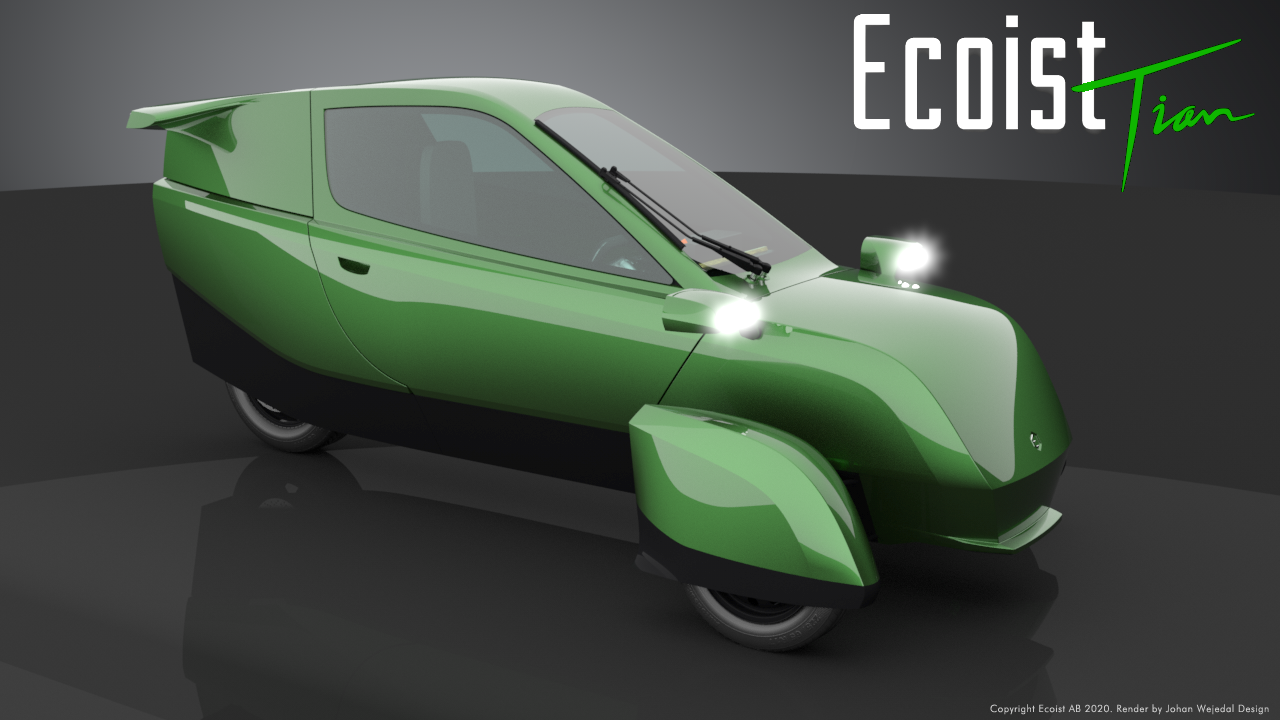
Ecoist aims to challenge how we think about the future of transport
Does a vehicle really need to weigh two tonnes to transport one person? That question became the starting point for Thomas Koch, founder and CEO of Ecoist, and the development of Ecoist Tian – a lighter, more resource-efficient electric vehicle that challenges traditional solutions in the automotive industry.
– We want to achieve the same result with less. Our goal is a smaller, lighter vehicle with less impact on nature and the climate, says Thomas Koch.
The idea grew out of a personal realisation. After many years of product development across various industries, Thomas began thinking about how he could use his experience and capacity for innovation to contribute to the next generation.
– When my son was born, I started thinking about how I could use my talents to create something that would make a difference in the long term. That was where the idea for Ecoist Tian was born.
From a transport problem to a sustainable solution
Behind the project is a conviction that today’s transport systems use significantly more resources than they actually need to.
– A large proportion of motorists travel alone in vehicles weighing close to two tonnes. The benefit is small in relation to the climate impact.
Rather than starting from the way cars have traditionally been built, Ecoist chose to start again from scratch. The result was Ecoist Tian – a three-wheeled electric vehicle for two people, with sustainability at the heart of every decision.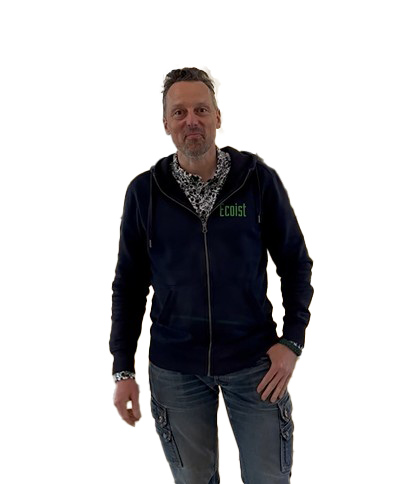
– The way I see it, the automotive industry needs a rethink. By starting with a blank sheet of paper and focusing entirely on sustainability, we are creating a concept that challenges traditional solutions.
Thomas Koch emphasises that the strength of the concept does not lie in inventing entirely new technology, but in combining established solutions with innovations from specialised suppliers.
– We work with innovative suppliers and integrate their latest advances into a new overall concept.
Swedish manufacturing as part of building resilience
The fact that Ecoist Tian is being exhibited at Elmia Subcontractor is no coincidence. This year’s theme, Resilience powered by industry, closely reflects the company’s view of both sustainability and industrial development.
– Manufacturing in Sweden builds much-needed resilience in an increasingly uncertain world. By producing locally, we shorten supply chains, reduce emissions and strengthen local industry.
For Thomas, the project is as much about highlighting Sweden’s manufacturing capabilities as it is about showcasing the vehicle itself.
– Ecoist Tian is also, in many ways, the story of all the Swedish suppliers that have contributed technology, components and expertise. The vehicle demonstrates the breadth of skills and manufacturing capabilities that exist in Sweden today.
For Ecoist, the future of mobility is not just about developing new vehicles, but about building an entire ecosystem of companies working together to create smarter and more resource-efficient solutions. That is why Thomas Koch sees Elmia Subcontractor as an important meeting place – both for showcasing what is already possible and for finding the partnerships needed to take the next step.
Many of the vehicle’s components and solutions also come from companies that are themselves exhibiting at Elmia Subcontractor.
– Several of the suppliers behind Ecoist Tian are represented here at the fair. That makes the vehicle a tangible example of the breadth of industrial expertise and capabilities brought together at Elmia Subcontractor. By showcasing the vehicle, we are also highlighting our partners and the work they do.
Aiming to spark a conversation about the future of mobility
When visitors encounter Ecoist Tian at the fair, Thomas hopes the vehicle will raise more questions than answers. He wants visitors to start thinking about their actual transport needs, how the vehicles of the future should be designed, and which sustainable alternatives might suit different types of businesses.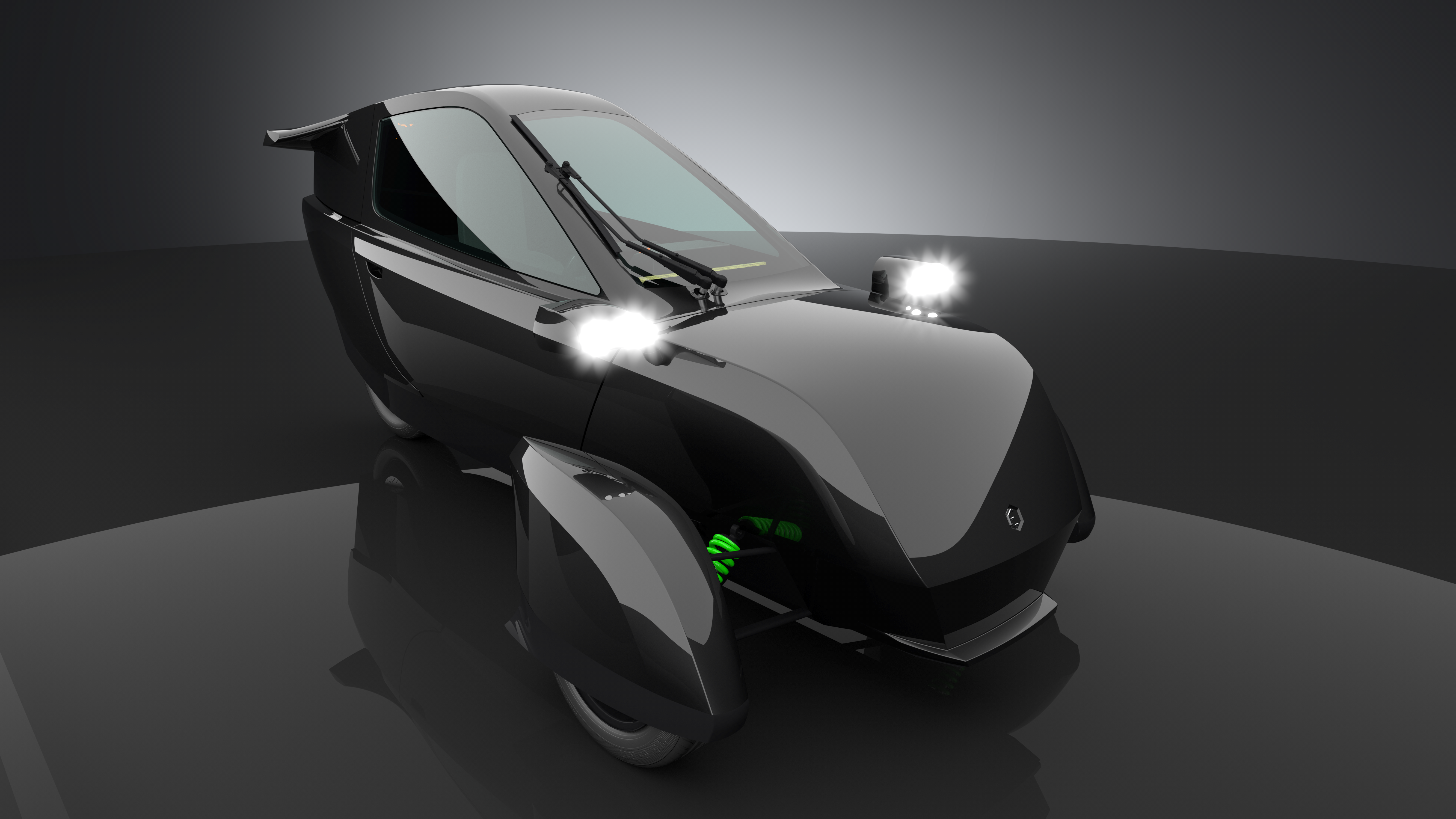
– We want to challenge perceptions of what a vehicle actually needs to be. Through our participation, we hope to encourage people to think about how many Swedish companies are already working with sustainability today – both technically and economically – and the role they play in developing the products of the future.
At the same time, he sees Elmia Subcontractor as an opportunity to establish new partnerships.
– We also hope to connect with suppliers at the fair who work with sustainable materials and solutions that can contribute to the next stage in the development of Ecoist Tian.
Next step: from prototype to series production
The company is now approaching its next important phase. The goal is to obtain type approval for Ecoist Tian and then build an initial pre-series of 20 vehicles. Collaboration with industry will be crucial to making that happen.
– It is incredibly important that our suppliers are able to grow with us as we enter an expansion phase involving industrialisation and series production.
At the same time, Thomas Koch hopes that more Swedish industrial companies will continue to invest in sustainable materials and modern manufacturing methods.
– We want to encourage suppliers to invest in sustainability. It is not only good for the climate, but also for their own competitiveness.