
As engines become quieter, sound becomes more important
Electrification, new materials and increased knowledge of how sound affects humans are changing the view of acoustics in the manufacturing industry. For Antiphon, development is not just about reducing noise – but about creating better products, better working environments and new opportunities. This autumn they will be participating in Elmia Subcontractor as an exhibitor - a definite highlight in the calendar.
– The foundation of everything we do is acoustics. We develop and manufacture sound-absorbing materials for airborne sound, structure-borne sound and sealing – often with solutions that are unique to each application, says Robin Smedman, Business Area Manager LA/LD at Antiphon.
The company, with around 30 employees and operations in Åmotfors, has long experience in developing custom-made material solutions. Historically, Antiphon has had a strong connection to the automotive industry, but today the company's materials are used in a growing number of industries.
New requirements create new opportunities
In recent years, Robin Smedman has seen a clear shift in the market.
– We are receiving more and more inquiries from industries where we were not previously active. Today, we know significantly more about how unwanted sound affects people than we did twenty years ago.
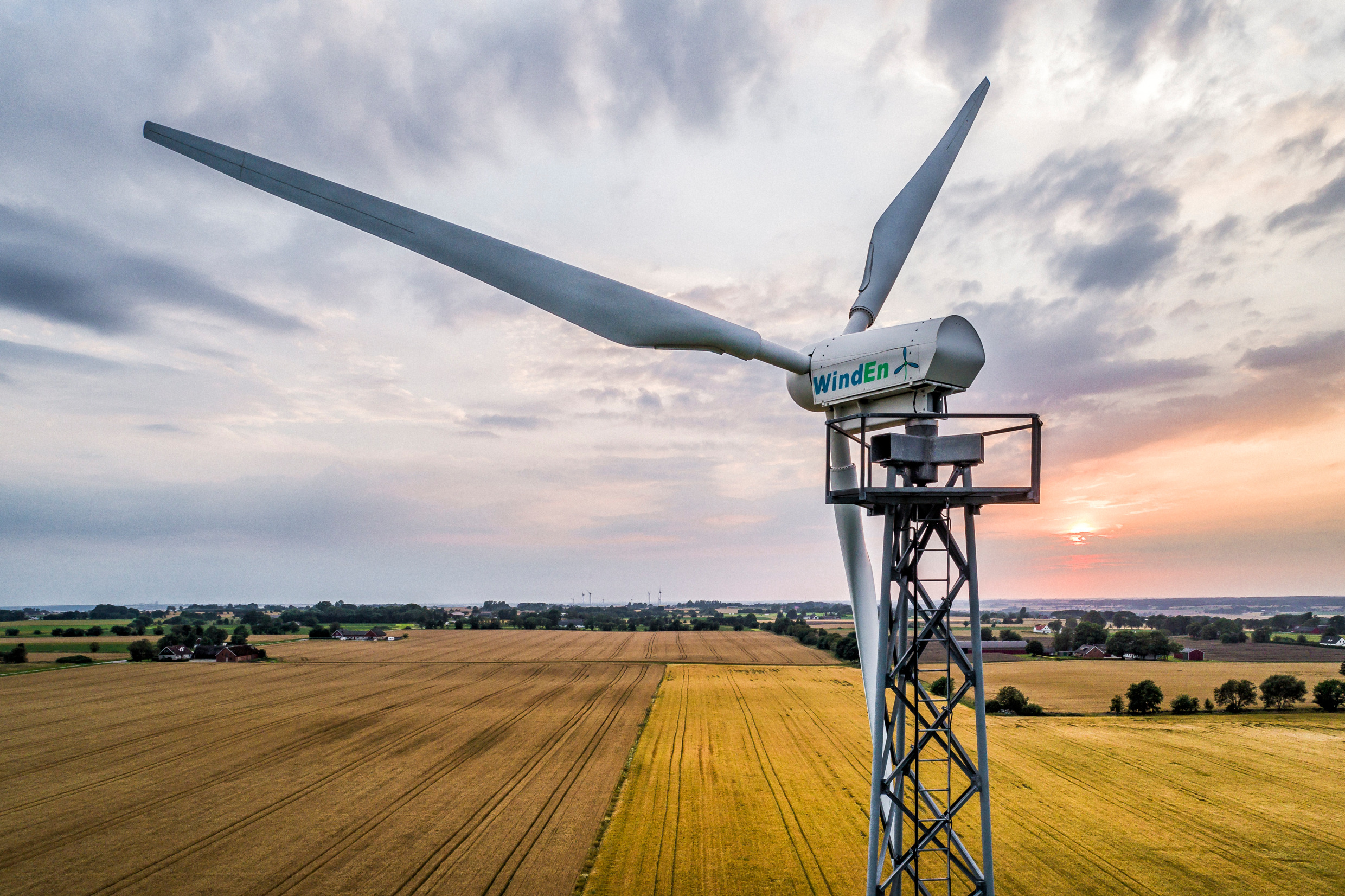
Knowledge about how different frequencies affect both health and well-being has increased, which means that acoustics are already taking on an increasingly greater importance in product development. One example is the expansion of renewable energy in wind turbines, where noise requirements have become an important part of the design.
– When wind turbines are placed close to people or sensitive nature, high demands are placed on minimizing disturbing noise. Our materials are used there to dampen noise from transformers, for example. It is an area of application we could not have imagined ten years ago.
Electrification changes the soundscape
Electrification is also driving development forward. When the sound of combustion engines disappears, other sounds become significantly more prominent.
– Previously, many sounds were drowned out by the engine. Now, instead, wind noise, road noise and various types of vibrations are heard much more clearly.
At the same time, electrification places higher demands on lightweight solutions.
– The requirements for good acoustics remain, but the materials need to weigh less. That is why we have developed lightweight materials that are widely used in the automotive industry.
Resilience - being able to change
This year's theme for Elmia Subcontractor is Resilience powered by industry. For Antiphon, resilience is not a new concept.
– We have been working on emergency plans and risk analyses for a long time. It is about being able to act quickly if something unexpected happens – regardless of whether it concerns a supplier, a fire or a geopolitical event.
The company works continuously with external monitoring and has close dialogue with both customers and suppliers. At the same time, there is an increased focus in the industry on supply chains and geographical risks.
– After the pandemic and the events of recent years, we see that more and more people want to buy materials closer to their own markets. Buying from the other side of the globe is no longer as obvious.
Robin believes that this development will continue.
– We believe that more companies will prioritize suppliers in Scandinavia and northern Europe. This strengthens both delivery reliability and sustainability.
Elmia Subcontractor – the most important meeting place of the year
Antiphon has participated in Elmia Subcontractor for many years and sees the fair as the most important activity of the year for business development.
– For me, it is the most important event of the whole year. Here we meet both existing customers and companies that did not even know that our material solutions existed. It is a place where new ideas, relationships and future collaborations have the opportunity to take shape.
He also emphasizes that the value of the fair extends far beyond the days it is held.
– You rarely make a deal on the spot. The important thing is to create the contact. Sometimes a meeting at Elmia only leads to a project two or three years later.