
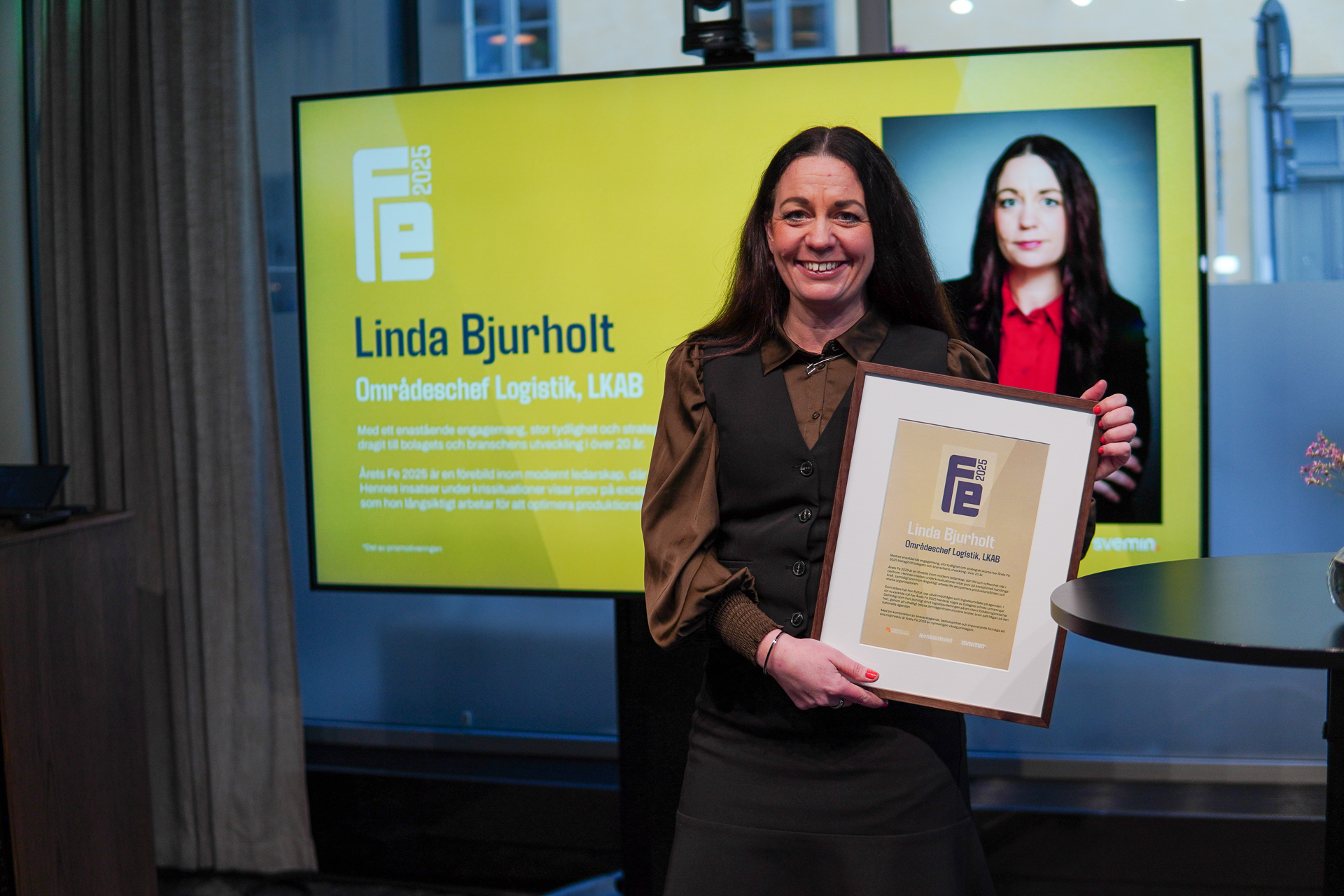
Årets Fe and 40 over 40 – Where Experience, Diversity and Competitiveness Meet
Sweden’s manufacturing, mining and steel industries face a clear challenge: the demand for skills is increasing, while recruitment still draws from a limited part of the labour market. Today, only around 20–25 percent of employees are women. For the industry organisations behind the Årets Fe initiative and the 40 over 40 list, this is not just a matter of gender equality – it is a decisive issue for the industry’s future competitiveness.
“When recruitment draws from only half the population, you don’t gain access to the best talent. At its core, this is about companies’ ability to remain competitive,” says Hanna Escobar-Jansson, Director of Communications at Jernkontoret.
An Initiative Born from the Skills Supply Challenge
Årets Fe and 40 over 40 were initiated by Jernkontoret, Industriarbetsgivarna (the Swedish Association of Industrial Employers) and Svemin, and are now being awarded for the fifth consecutive year. The initiative was launched during the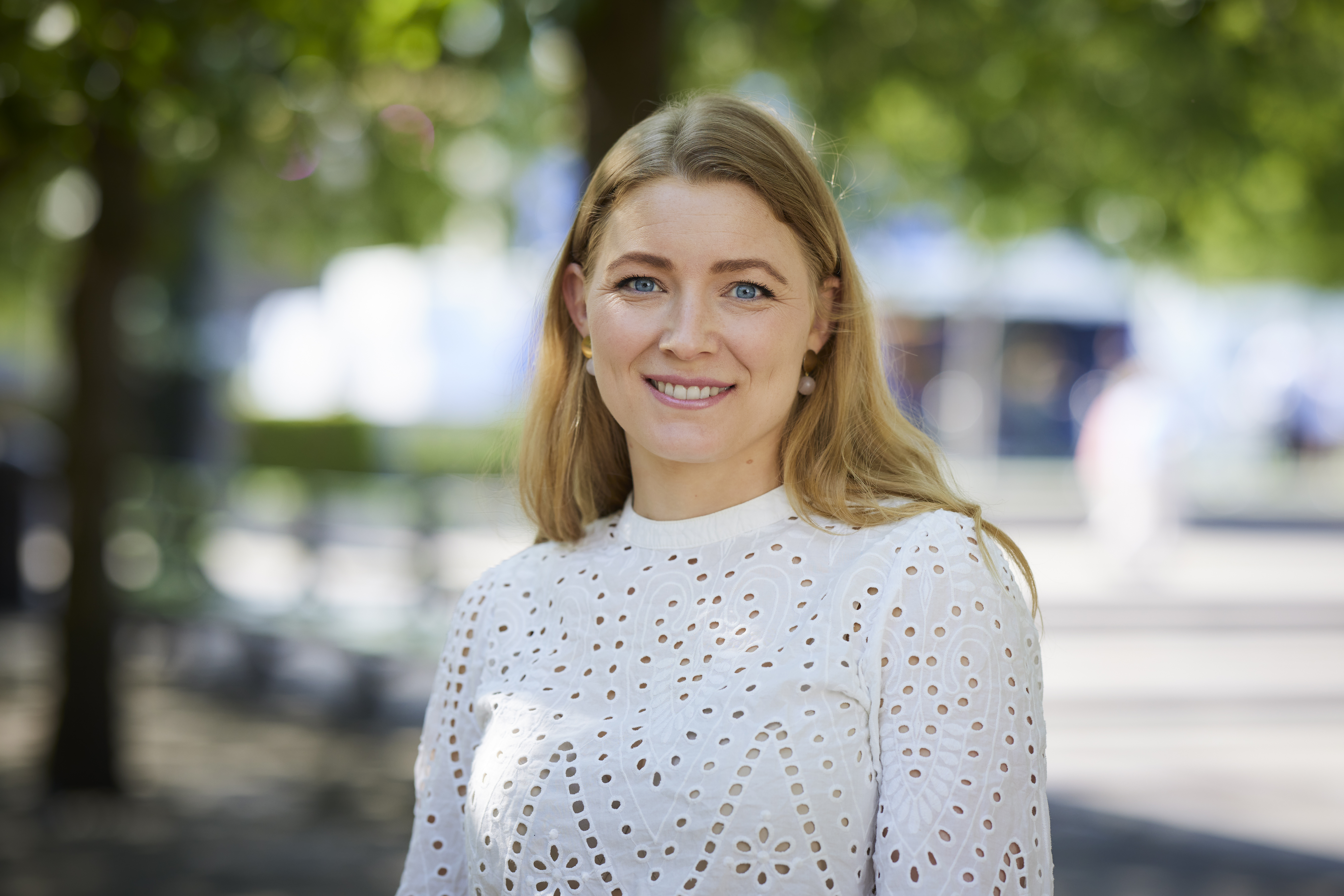 pandemic, with a digital award ceremony, and has since grown steadily in both visibility and engagement.
The background was clear: the industry saw a need both to broaden the image of industrial careers and to highlight the experience and expertise that already exist – but are not always visible.
“There is an enormous amount of knowledge in our industries. Many people have worked in the sector for 20, 30 or 40 years. That is business-critical competence built over time, and we need to value it more highly,” says Hanna Escobar-Jansson.
Experience as a Counterbalance to Talent Focus
Unlike many other rankings and awards, the initiators deliberately chose to focus on women over the age of 40. This was a way to balance a business climate that often shines the spotlight on young talent – while risking overlooking the experience that sustains operations.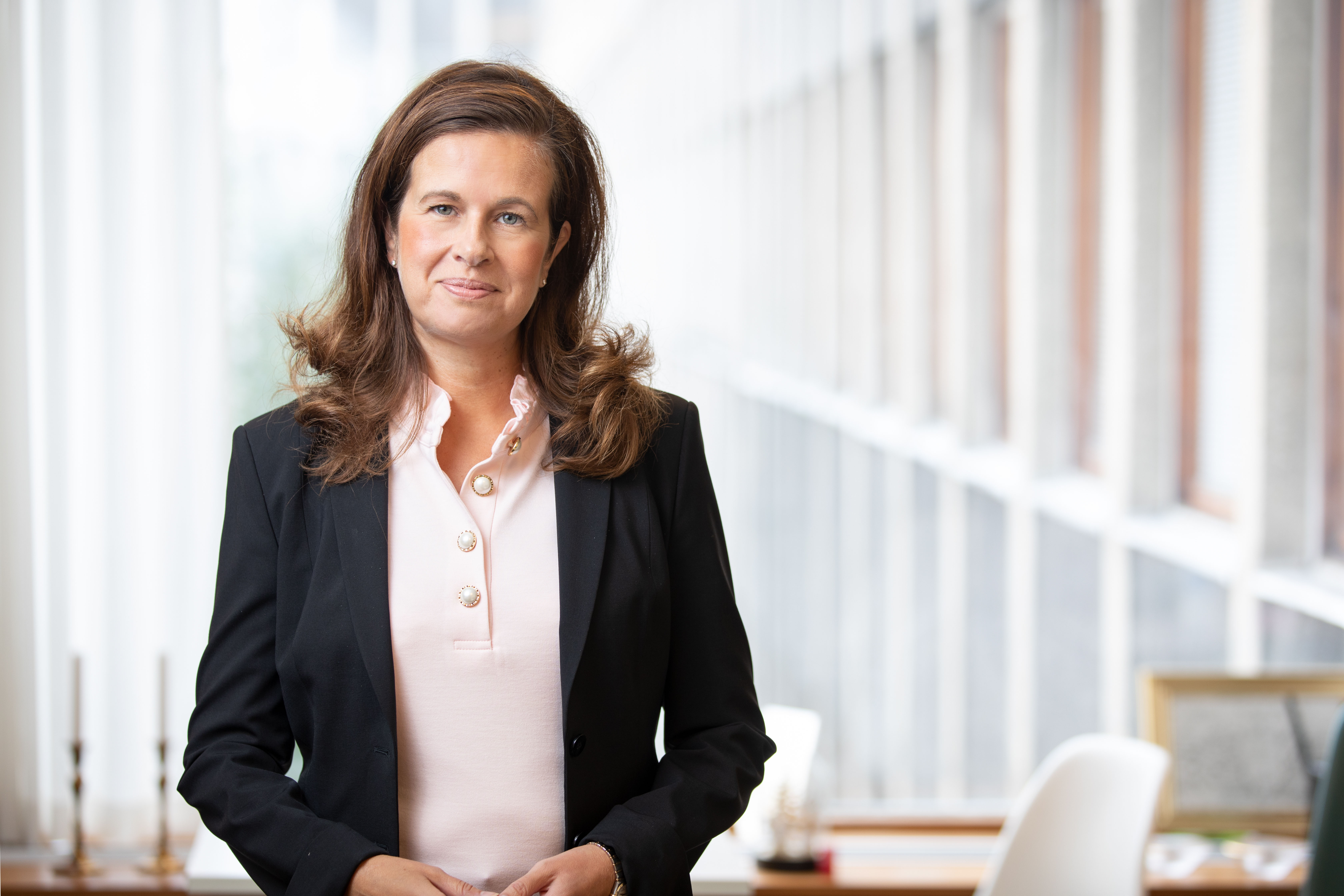
“It’s not about setting generations against each other, but about showing the full spectrum. Experience is a strategic resource,” says Marina Lähteenmaa, Head of Communications at Industriarbetsgivarna.
The 40 over 40 list and the Årets Fe award highlight women throughout the organisation – from operational roles and traditional blue-collar professions to specialists, managers and senior executives.
“This is not a leadership-only list. It demonstrates how multifaceted the industry is and how value is created at every level,” says Marina Lähteenmaa.
Role Models Changing the Image of Industry
A key purpose of the initiatives is to make role models visible – women whose work demonstrates that industry is an attractive, developing and long-term career path.
“When local media highlight the women on the list, it becomes very tangible. It shows that industry is a place where women are both needed and make a real difference,” says Hanna Escobar-Jansson.
The response from companies has been strong. Interest in submitting nominations increases every year, and nominations come not only from managers, but also from colleagues, employees – and often from men who want to highlight the contributions of their female colleagues.
“This is not a closed initiative for women. Making competence visible is a shared responsibility,” says Marina Lähteenmaa.
A Maturing View of Diversity
Both Jernkontoret and Industriarbetsgivarna see a clear shift in how the issue is perceived within the industry. Today, diversity is increasingly viewed as a business and competence issue rather than a values-driven project.
“This is not about charity or image. Companies realise they cannot afford to exclude competence. That represents a clear shift in mindset,” says Hanna Escobar-Jansson.
Research and experience also show that more diverse workplaces can contribute to a better working environment, increased safety and more sustainable organisations – both socially and technically.
An Established Initiative Looking Ahead
After five years, Årets Fe and 40 over 40 have become an established part of the industry’s annual calendar. Expectations are clear – nominations open, the list is released, and Årets Fe is announced.
“Like other recurring business rankings, this is now something people look forward to. It creates pride – both for the individuals and for the industry,” says Marina Lähteenmaa.
At the same time, the initiative continues to evolve, with a new visual identity, its own website and more platforms where the women on the list can be highlighted.
“The list is also a tool. When someone says, ‘It’s hard to find women to represent the industry,’ this list is proof that the competence is there – it just needs to be visible,” says Hanna Escobar-Jansson.
A Message to the Industry
For the organisations behind the initiatives, the message is clear:
The future competitiveness of the industry depends on its ability to utilise the full talent base – regardless of gender, age or role.
“At its core, Årets Fe and 40 over 40 are about the same thing that skills supply has always been about: securing the right competence, for the long term,” says Marina Lähteenmaa.
Caption: The photo shows Årets Fe 2025 Linda Bjurholt, LKAB.